Most supply relationships go wrong over things nobody asked about at the beginning. Not price — price is always discussed — but the practical arrangements that only become visible when something needs to happen quickly. These are the questions worth putting on the table in the first meeting, with us or with anyone else.
1. Where is the coffee roasted, and can I visit?
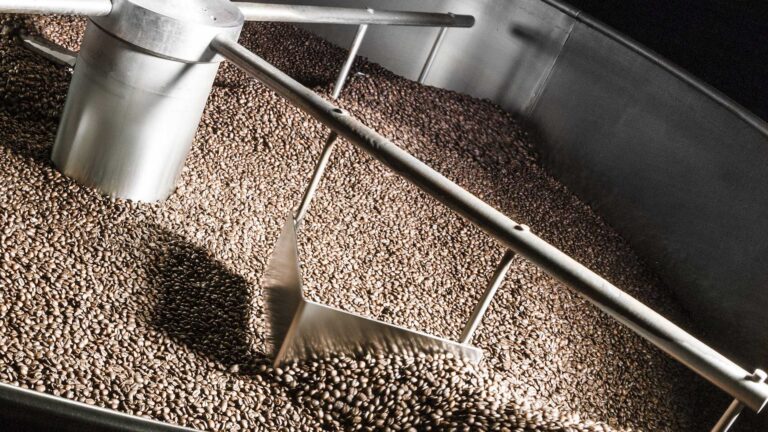
The answer separates roasters from resellers. It also tells you how far your coffee travels before it reaches you, and who is accountable for it along the way. A supplier who welcomes the visit is usually a supplier with nothing to manage around.
2. Which certifications do you hold, from which body, and since when?
Names and dates. “Certified” on its own means very little. The year matters because it tells you whether the processes behind the certification are embedded or newly adopted, and because your own customers may ask for documentation going back several years.
3. Do you roast to order or from stock?
This changes freshness and it changes how far ahead you need to plan. Neither model is wrong, but discovering the answer after signing is how supply planning goes badly for a quarter.
A useful follow-up: what was the roast date on your last shipment to a customer like me? The answer is specific, checkable and harder to dress up than a general description of the process.
4. What formats can you supply?
Whole beans, ground, ESE pods, capsules, tins, single-serve. Check the list against what your channel actually sells rather than what you are buying today, because the gap is where the second supplier appears.
Ask too whether the same blend is available across formats. Consistency of taste between the bar, the breakfast room and the offices is something your customers notice even when they cannot name it.
5. Can I have samples, and how does that work?
A supplier reluctant to send samples is telling you something useful. Ask also how samples relate to production: a hand-prepared sample that cannot be reproduced at volume is a demonstration, not a product.
And ask for enough to test properly. A single bag tasted once in an office tells you very little; a quantity that lets you run it through a real service for a week tells you almost everything.
6. What are the lead times for a first order and for repeat orders?
They are usually different, and the second number is the one you will live with for years. Ask what happens to lead times in peak season, when every roastery is busy and your order is one of many.
7. Who handles export documentation and customs?
Worth settling before the first shipment rather than during it. Ask specifically who prepares what, and what happens if a document is missing at the border — because somebody will be responsible, and it is better to know in advance whether that somebody is you.
8. Do you offer territorial exclusivity, and under what conditions?
Ask early. The answer shapes how much you are willing to invest in building the brand in your market, and the conditions attached — volume thresholds, review periods, what counts as the territory — matter as much as the answer itself.
Be realistic in both directions. Exclusivity you cannot support with volume is a commitment you will fail, and a supplier who grants it too easily has probably granted it elsewhere as well.
9. Who will be my contact, and can they decide?
The most important question and the one most often skipped. Over a multi-year relationship, the speed at which you get a clear answer is worth more than a small difference in price. Find out whether your contact can approve a change or only pass it along.
Why we published this
A buyer who asks these questions is easier to work with, not harder. It means the conversation starts from what actually matters, expectations are set before anything is signed, and neither side discovers a mismatch six months later.
If a supplier is uncomfortable with the list, that is information too.